
Pet Microchipping in Port Orange, FL
At Halifax Veterinary Center, we offer dog and cat microchipping for pet families across the greater Daytona Beach area. This quick, one-time step gives your companion a permanent form of identification—and gives you real peace of mind.
What Is Pet Microchipping?
A microchip is a tiny device, about the size of a grain of rice, that’s placed just beneath your pet’s skin. Each chip carries a unique identification number linked to your contact details in a national registry. If your lost pet is found and scanned at a shelter or veterinary clinic, that number helps reunite you.
Microchipping is a simple, lasting way to protect against the heartbreak of a lost pet. Collars and tags matter too, but they can slip off or fade. A microchip stays with your pet for life, working quietly in the background until the day you need it.
How the Microchipping Process Works
Getting your pet microchipped is fast and straightforward. The chip is inserted with a needle, much like a routine vaccination, and most pets barely notice. No anesthesia or surgery is required, so it can be done during an ordinary office visit.
Because it’s such a quick procedure, microchipping is also easy to pair with other care. Many families choose to have it done during a wellness exam or while their pet is already under anesthesia for spaying or neutering. As a low-cost, one-time step, it offers protection that lasts a lifetime.
Registration makes it work
A microchip is only as useful as the information attached to it. After the chip is placed, you’ll register your contact details with the chip’s database—and it’s important to keep that information current whenever you move or change phone numbers. We’re glad to walk you through registration so your pet’s chip is ready to do its job.
Why Microchipping Matters
Even the most careful pet owner can face an open gate, a startled dash during a storm, or a torn screen door. Pets go missing every day, and many arrive at shelters with no way to identify their families. A microchip dramatically improves the odds of a happy reunion.
The benefits of microchipping include:
- Permanent identification that can’t fall off or wear away
- A better chance of being reunited if your pet is lost or stolen
- Quick scanning at shelters and veterinary clinics nationwide
- Lasting peace of mind for the whole family
- A simple, one-time procedure with no ongoing upkeep beyond registration

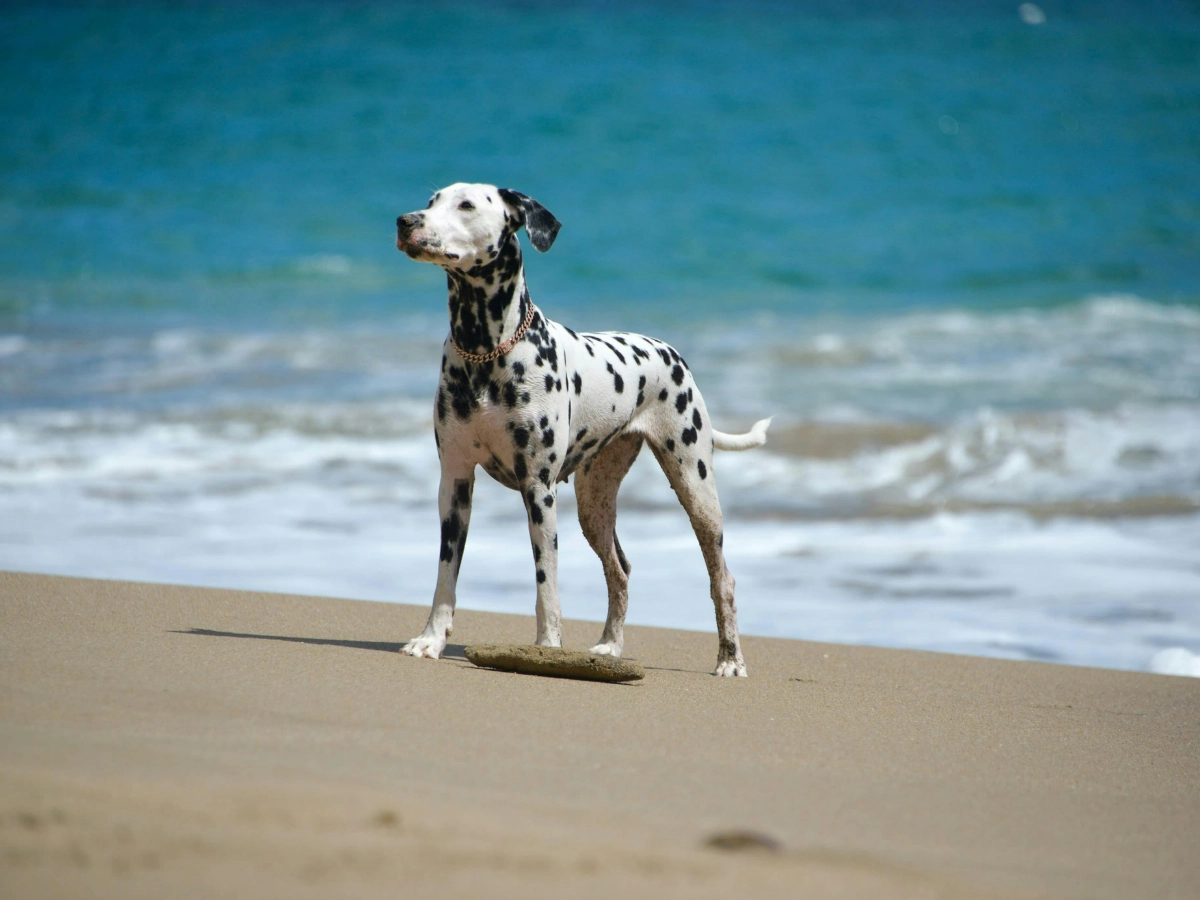
For an active, coastal community like ours—where pets enjoy beaches, parks, and open yards—that extra layer of protection is well worth it.
FAQs About Pet Microchipping
Does microchipping hurt my pet?
Only briefly, if at all. The chip is placed with a needle, similar to a vaccine injection, and most pets tolerate it easily. No anesthesia is needed.
Is a microchip a GPS tracker?
No, and this is a common misconception. A microchip doesn't track your pet's location in real time. It stores an ID number that a scanner reads, which is then matched to your registered contact information.
My pet already has a microchip. Is there anything I need to do?
Yes—keep your registration up to date. If you've moved or changed your phone number, update the chip's database so you can be reached. We're happy to help you confirm your information is current.
At what age can my pet be microchipped?
Pets can be microchipped as puppies or kittens, or at any age after that. It's never too late to give your companion this added protection.